How to brief a hidden proposal photographer: checklist
Checklist to hire and brief a hidden proposal photographer: map pin, hide distance, silent signal, wide-first shot list, and secrecy rules before the kneel.
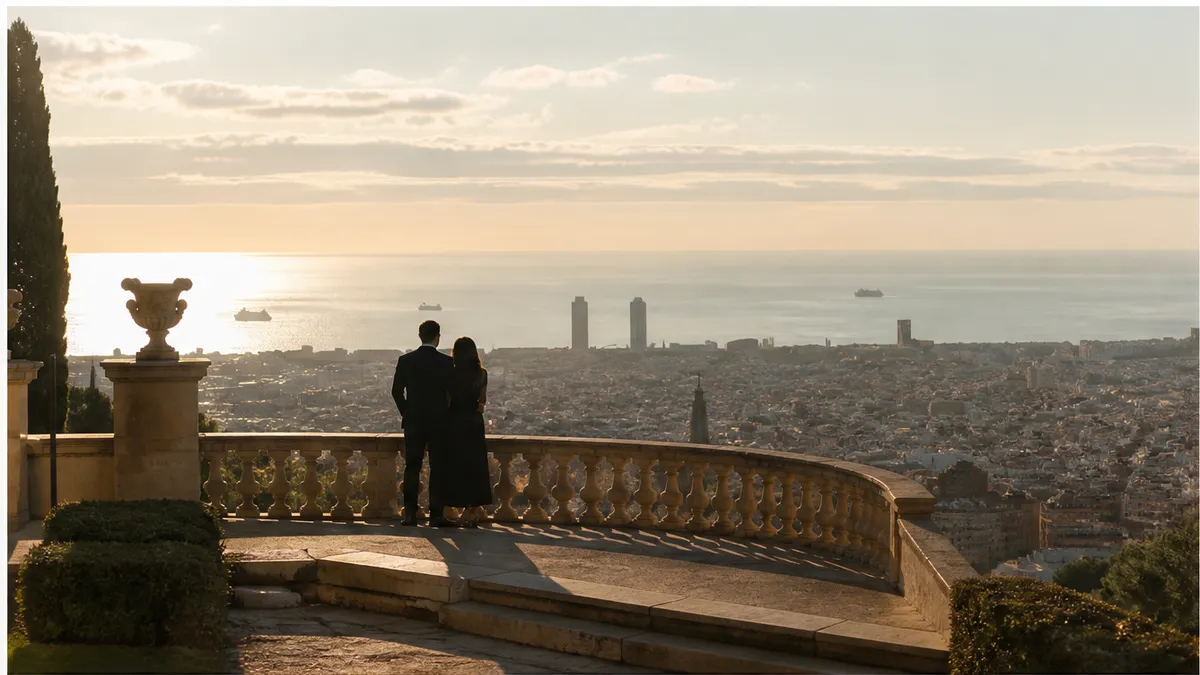
He hired a "surprise photographer," then texted from the shared WhatsApp with a heart emoji and a pin titled "proposal spot." On the day he kept glancing toward a man with a giant lens. She noticed both. The photos looked stiff because nobody asked for a wide frame before close-ups and floral clutter. That double fear – cheesy staged shots plus a spoiled secret – is fixed with a one-page brief: map pin, hide point, silent signal, wide first, no social posting.
Treat the photographer like a discreet co-conspirator, not a wedding director. Send a one-page brief about 48 hours ahead with the exact corner, outfits, hide distance, one natural signal, and "editorial not carnival" shot priorities. Keep chats private, save the contact under a boring name, and stop phone-checking once they are in position. When you want photographer coordination inside a full plan, Start Planning with COMPLIMENT.
Hiring guides talk portfolios. On practice, first-timers spoil the moment with chat leaks and over-direction. Surprising fact: destination guides treat the wide shot from roughly 30–40 metres as the frame couples keep longest, yet beginners still brief only "get the ring close-up." Spain specialists win secrecy by arriving 15–30 minutes early dressed like any tourist with a camera – not by standing closer with bigger gear. Skim a locations shortlist after the brief fields are locked.
Choose documentary hidden coverage first

Pain this solves: booking a "styled couple shoot" when you need a spy who stays invisible until after "yes." Write one sentence so the photographer knows the mode.
- Pick documentary hidden as the default for a true surprise – they hide, you signal, they shoot wide, then move in.
- Use "booked couple photos" only as a cover story for your partner, not as posing before the kneel.
- Tell them partner personality in one line: shy, laughs loudly, freezes when watched, or loves attention.
- Note which way the partner will likely face at the stop mark.
- Skip flash-mob energy, heavy props, and verbal direction during the kneel.
Do: hire someone whose portfolio shows real proposal wides. Don't: ask them to "direct" you like a wedding. In a real project, stiff albums come from close-ups first and props second – never from missing roses.
Mode · Photographer role · Best when
Documentary hidden · Early, invisible, waits for signal · True surprise
Cover: couple photos · Camera explained; no posing before kneel · Partner expects "photos"
Styled set · Décor and direction visible · Private terrace with consent – not a secret street kneel
Result: they know whether to stay ghost-mode until the signal.
Fill the one-page map, hide point and exit path

Pain this solves: a vague "meet near the fountain" that leaves the photographer too close, too late, or facing the wrong corner.
- Drop a Google Maps pin on the exact corner or bench – not the whole park name.
- Write the minute window and the approach path you will walk with your partner.
- Attach one clear partner photo plus both outfits in plain words.
- Add a hide-distance note: roughly 15–20 m in tight plazas, about 25–30 m in parks like Ciutadella, about 30–40 m on open viewpoints or beach edges.
- Mark the soft exit after portraits so you do not linger where crowds rebuild.
- Ask them to reply with hide point and arrival buffer (15–30+ minutes early).
Typical mistake: briefing only the ring close-up. Put "wide environment first, then move in" on the same page. For crowded landmarks, pair this with quieter timing from a propose-without-tourist-crowds checklist for Spain.
One-page paste template: Map pin + exact corner → Minute time → Partner photo + outfits → Approach path → Hide distance / tourist blend → Primary signal + backup → Wide first, then celebration → Post-yes portraits yes/no → No social until delivery + written consent → Photographer contacts proposer only
Lock one visible signal – and a quiet backup

Pain this solves: a stage cue that looks fake, or a whisper the telephoto never sees. Agree one natural, visible cue in writing.
- Primary: adjust jacket, touch pocket, or stop at an agreed mark for "the view."
- Backup phrase: a short boring line that means "now," used only if the visual cue fails.
- Facing note: which way the partner stands so faces stay readable in the wide.
- Phone rule: after the thumbs-up "in position," stop checking your phone near your partner.
- Never look toward the hide point – glances spoil more surprises than cameras do.
Do: rehearse the jacket or stop once alone. Don't: invent a complicated hand dance. For example, a pocket touch reads from distance without looking like a film clapboard.
Brief an editorial shot list, not carnival props
Pain this solves: P-cheesy – carnival staging, floral clutter, and awkward posed grips. Simplest proposals often photograph best.
Must shoot · Skip or cut
Wide environment before anyone notices · Flash mobs, neon props, heavy public petals
Kneel + natural reaction (no direction) · "Look at the camera" during the question
Celebration walk / hug while emotion is high · Long poses before the ring is on
Ring-on-hand detail after the yes · Public posting before you approve delivery
On practice, put three lines at the top: stay invisible → shoot wide first → no direction during the kneel. Optional post-yes portraits for about 15–30 minutes. Spain market surveys often show 1–2 hour sessions roughly in the €150–€400 band (competitor signal only, not a COMPLIMENT price).
Set secrecy rules before you send any message
Pain this solves: P-secret – partner sees vendor chat, calendar titles, or a contact named "Proposal Photographer."
- Use a private thread only; mute or archive it; never leave it open on a shared laptop.
- Save the photographer as a boring work contact – for example "Mike from work."
- Strip "proposal," "engagement," and "ring" from pins, albums, and calendar titles.
- Write one cover story that still explains nice clothes: "couple photos in Barcelona" or sunrise sightseeing.
- Add a no-social clause: no public posting before delivery and written consent.
- Confirm they contact the proposer only – the partner receives nothing.
Do: clear the brief thread after they confirm. Don't: share a romantic live-location pin. If language, private terrace booking, or multi-vendor secrecy feels heavy, skim COMPLIMENT services and keep the same one-page fields.
Run the day-of checklist from hide to soft exit
Success criteria before you leave: (1) a filled one-page brief ready about 48 hours ahead, (2) one visible kneel signal plus hide distance written down, (3) a short "editorial not carnival" shot list so they know wide first, then natural celebration – not prop theatre.
Day-of workflow: Photographer early and invisible → Thumbs-up "in position" → You stop phone-checking → Casual walk → Signal → Kneel → Celebration frames → Photographer steps in only if planned → Ring-on-hand → Soft exit
- Confirm weather and Plan B by mid-morning with the photographer only.
- Ring check – jacket pocket pouch beats a noisy box in wind.
- Wait for in-position confirmation; then put the phone away.
- Walk casually under the cover story; do not stage the approach like a music video.
- Give the signal; kneel; keep the first words short and personal.
- Let celebration frames happen; allow portraits only if briefed; leave before the spot refills.
Tonight: paste the template → lock fake contact name and mute chats → send the brief ~48 hours ahead → demand hide-point confirmation. When you want photographer, secrecy, and place held as one plan, Start Planning with COMPLIMENT.
Fact-checked by: COMPLIMENT Team — proposal planners and photographers in Spain. What we verified: One-page brief fields and wide-first priority (Proposal Spots); Barcelona hide distances and early arrival (Localgrapher); cover story and signals (Kobruseva); chat discipline (Photography Anna); boring contact-name habit (Signal Studio NYC); Spain fee-band as competitor signal only (Wedded, not COMPLIMENT pricing); SERP for "how to hire proposal photographer" reviewed 2026-08-01 (Wordstat unavailable this run).
FAQ
How far away should a hidden proposal photographer hide?
Use the spot, not a fixed number. Tight plazas often need about 15–20 m; parks around 25–30 m; open viewpoints or beach edges closer to 30–40 m. Write it on the brief and confirm the hide point.
Do I need video as well as photos?
Only if you want a short clip. Ask in the quote – Spain market surveys sometimes add roughly €100–€200 for video (competitor signal). A wide-first photo brief is enough for most first-timers.
What if my partner looks back and spots the photographer?
Do not glance at the hide point. Face the agreed direction, keep the walk casual, and prefer a private terrace or second discreet angle if they are hyper-observant.
When should I send the photographer brief?
About 48 hours before. Ask for a reply that confirms hide point, arrival buffer, signal, and whether post-yes portraits are on.
What should go on a one-page surprise proposal photographer brief?
Map pin, minute time, partner photo and outfits, approach path, hide distance, primary plus backup signal, wide-first rule, portraits yes/no, and a no-social clause.
Is a DIY brief enough, or should I use a planner?
DIY works if you can lock secrecy tools, hide logistics, and day-of signals yourself. Choose planning help when language, private access, or several vendors raise leak and styling risk.